When planning any construction project that involves perimeter containment, whether for industrial sites, municipal facilities, residential communities, or athletic fields, a critical decision lies in how that boundary will perform over time. A fence is not merely a line on a blueprint; it is a structural system engineered to withstand environmental forces, daily use, and the evolving needs of the property it protects. Drawing from nearly six decades of fencing experience in the Vancouver area, we offer practical insights into designing fencing systems that deliver durability, safety, and long-term performance.
Understanding the Purpose of the Fence
Before selecting materials or detailing specifications, the fence’s intended function must be clearly defined. A perimeter fence can serve multiple roles:
● Security barrier around commercial or industrial property
● Boundary delineation in residential developments
● Protection and containment for sports fields or recreational spaces
● Privacy shield for sensitive locations
● Traffic and pedestrian control around infrastructure elements
Each function demands different design priorities, whether it’s resisting climb attempts, reducing noise, or maintaining visibility. Matching design to purpose informs all subsequent decisions, from material choice to installation method.
Selecting the Right Materials for Durability
Material selection remains the foundation of a durable fencing system. Common fencing materials such as chain link, corrugated metal, vinyl, and cedar each offer distinct performance characteristics:
● Chain Link: A construction staple known for its strength, flexibility, and low maintenance requirements. Its open mesh design also allows wind to pass through, reducing uplift forces in exposed locations.
● Corrugated Metal: Ideal when a combination of modern aesthetics and structural resilience is required. Its rigid profile resists deformation and, when properly coated, offers long service life.
● Vinyl: Provides corrosion resistance and color longevity in corrosive environments, such as coastal regions.
● Cedar/Split Rail: Offers an attractive, environmentally compatible option for low-security boundaries and national-park-like settings.
Each material has its place: chain link for high-traffic commercial areas, corrugated metal for privacy and durability, and vinyl or cedar where aesthetics are equally important as function.
Engineering for Environmental Challenges
Durability is most severely tested by external forces such as weather, soil conditions, and local terrain. Fencing systems designed for long-term performance must account for:
● Corrosion Resistance: Galvanized or otherwise coated materials help prevent rust in wet climates.
● Wind and Seismic Loads: Adequate post spacing and proper embedment depth are essential to resist uplift and lateral forces.
● Soil Conditions: Rocky or expansive soils may require specialized footing techniques or deeper post placement to avoid settlement and shifting.
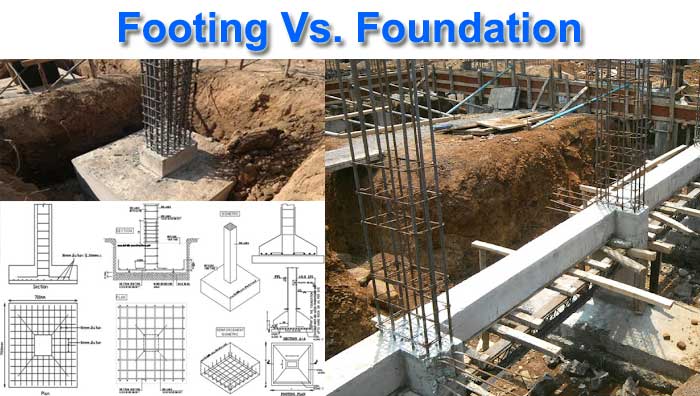
Failing to plan for environmental stressors often results in premature deterioration, leaning posts, or excessive maintenance costs.
Structural Detailing and Fastening Methods
Durability is not only about the fence material but also about how components interact. Strong, long-lasting systems require:
● Quality fasteners and connection details: Corrosion-resistant hardware such as stainless steel or zinc-plated connectors, helps prevent failure at joints.
● Well-designed gate systems: Proper-fit gates reduce sagging and uneven stress.
● Redundant support where needed: In high-security or high-stress areas, additional reinforcement helps extend service life.
Engineering details should always align with recognized fencing standards and local building
codes, ensuring both safety and compliance.
Maintenance and Lifecycle Considerations
No fencing system is truly “set and forget.” Designing for longevity includes planning for periodic inspection and maintenance:
● Conduct visual checks at least annually.
● Tighten or replace loose hardware.
● Address rust spots or displaced posts before they propagate.
● Where applicable, use protective coatings or paint systems that can be refreshed.
Proactive maintenance extends the useful life of a system, preserving both functionality and appearance.
Integration with Broader Construction Goals
Durable fencing systems do more than secure a site, they contribute to the overall success of construction projects. Well-designed perimeter fencing enhances safety, minimizes liability, and supports project phasing and logistics. For example, on multi-stage developments, temporary fencing can protect active work zones while permanent fencing demarcates completed areas.
By prioritizing purpose-driven design, intelligent material selection, environmental adaptation, robust detailing, and planned maintenance, construction professionals can deliver fencing systems that stand the test of time. Durable fencing is not merely a boundary, it’s an engineered solution that protects people, assets, and community interests for years to come.
Author Bio:
Raybern Erectors is a Vancouver-based fencing and structural installation company with decades of experience delivering durable solutions for residential, commercial, and municipal projects. Their expertise includes chain link fencing, custom gates, guardrails, bollards, sports field enclosures, and privacy barriers, with a strong focus on safety, compliance, and long-term performance. Learn more at raybernerectors.com.